Choosing Blinds in Australia: What to Consider
Wiki Article
The Test Of Success Why Blinds For Professionals Require A Touch By A Pro
In the case of Australian home improvement, purchasing new blinds can be an visual experience. Fabric swatches capture your attention, whether it's the crisp lines of the Roman shade or the soft folds in the blinds of a roller. This is a process that concentrates on design as well as color and light control. In the showroom, however it's difficult to see the most important element that will determine the outcome of your blinds will be a valuable asset over time or a frustrating risk. It is the accuracy of the measurements, as well as skilled installation. It's more than a luxury to have an expert in measuring and installing the irregular and unique windows which are common in Australian homes. It's a necessity.
It's reasonable. The need to cut costs and the belief that tape measures do not lie are the main reasons. The reality of window openings is quite different. Only a few windows are perfectly straight, square and even. Each architectural flaw is unique in every aspect, from the gorgeous weatherboard house to the sleek concrete flat or the brick-veneer suburb house. The squareness of a window frame could be out by several millimetres. The reveal on one side might be higher than the other. The architrave may be bent at the middle. This is not a flaw; they are part of a built structure settling and holding up to the climate. Professional installers don't just measure the width and height of windows; they also diagnose it. Professional installers test several points to make sure the window is square. they assess the depth, look for obstacles like windows that protrude or tiles, and assess the wall's surface. This approach transforms raw numbers in to an ideal blueprint for a flawless finish.
This knowledge is directly translated into two fundamental fit choices such as inside mounting versus outside mounting.
Inside mounting, in which the blind is neatly placed inside the recess of the window, gives a sleek, integrated look. It's also the most challenging. It must be a square that has a sufficient depth. Professionals will measure the width of the recess from the top and bottom as well as the middle. They will use the smallest measurement to prevent binding. They will measure in the middle, left and right. They will use the largest measurement to ensure that the blind is completely covered. Then they subtract the precise tolerances of the manufacturing process, which are often only a few millimetres in order to allow for the blinds to work smoothly and not rattle. This calculation could be incorrect by a mere 5 millimetres and the blind may be impossible to put up, or jam up with every use.
Outside mounts, where the blind is anchored to the wall or architrave above the window, allows for the easing of recesses that aren't perfect and is ideal for maximising the blockage of light or making windows appear bigger. In this case, the skill of the professional is in the proportions and positioning. They decide precisely how far to extend the blind's headrail over the window frame in order to eliminate small gaps along the sides and how low it must drop for optimal aesthetic balance. It makes sure that the installation goes smoothly and looks as though it was planned.
With non-standard window designs The complexity of the window increases. Australian designers are becoming popular for their corner windows as well as trapezoid-shaped forms. The standard 3-meter measurement isn't sufficient for these types of jobs. This requires triangulations, angle finders, and a knowledge of how blinds will navigate an unorthodox path. Professionals will use templates and specialised equipment to translate these intricate shapes into a specification which can be produced. They don't simply measure three windows, but they also determine the angles of intersection, to ensure that each blind is sized correctly for its bay, without any unattractive gaps or overlaps.
Installation is the next step. Professionals arrive with vans, not cars. Their toolkit is comprised of high-end drilling tools, wall anchors that are suitable for a variety of substrates (bricks, concrete, plasterboards, studs) as well as laser levels and spirit levels. They understand the difference between drilling into the mortar and striking the brick. They know how to locate the studs in a plasterboard wall or use the heavy-duty toggle bolt for an ensconced fixation on hollow walls. This is essential for safety, particularly when using huge, heavy blinds and motorised units. A poorly installed blind, fixed only into the plaster with insufficient plugs is a risky accident that is just waiting to happen. They also handle the final adjustments--trimming cords to safe lengths, installing mandatory child-safety devices, and calibrating the tension on spring-assisted rollers--so the blind operates with a satisfying, reliable action from day one.
It's actually an insurance policy to pay for professional service. It guarantees correct function and protects your warranty (as many of them are invalidated by DIY installation) and protects your from the expense of an unfit blind made to meet your needs. It also saves time and money. If you opt to DIY it will result in blinds that cannot be installed. You will also have to deal with a frustrating and lengthy return process.
If you select a reputable Australian window blinds company their approach should create trust. Any estimate for a non-standard window or even a complete house, should be followed by visiting the website. The consultant should spend more time inspecting your windows than flipping through the sample books. They must explain their measurement logic and fitting recommendations clearly. This professionalism is the hallmark for a company which is able to stand by its product.
The ideal blind is a combination of invisible engineering and beautiful design. The measurement is the precise design, while the installation is the skilled construction. In a world flooded with alternatives available on the market, a specialist service's true value lies in its technical knowledge. Specialists don't just sell blinds, but they can tailor solutions to match the character of your Australian home. The company guarantees that you receive precisely what you wanted when you visit the showroom. This includes a perfect fit, smooth operation and a beautiful finish. This is the hallmark of a well-done job. Read the most popular blinds for more recommendations including discount blinds direct, blinds direct online, blinds for you, custom blinds australia, blinds single, blinds measurements, perfect fit blinds direct, custom made blinds, blinds direct perfect fit installation, direct window shades and more.
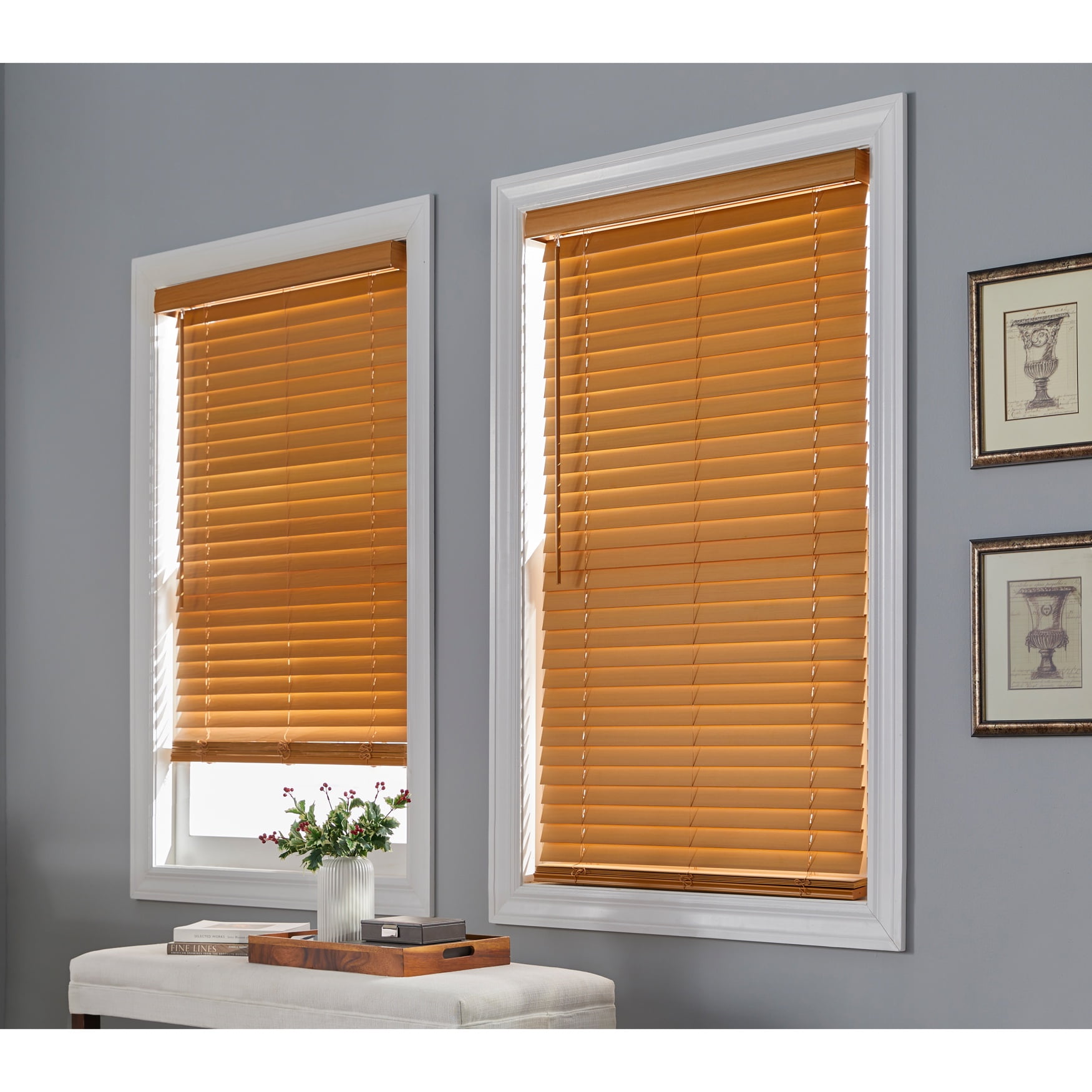
What Happens After Blinds Are Fitted?
In Australia's blinds industry the moment of installation could feel like the beginning of. The blinds are packed, the new furnishings adorn your windows, and then the installer drives away. Yet, for a product that is used daily in harsh sunlight and is expected to last for at least a decade it is not an end but the beginning of the vendor's real responsibility. The second half of the purchase contract is often unwritten. It encompasses the quality of the installation itself, the advice for maintenance and the definite path for repairs or adjustments whenever things require attention. This is where a transaction transforms into a relationship that will last for a long time and the real character of the supplier is revealed.
The first and most critical aspect of after-sales services is installation. An experienced installer is more than just a fitter. They are the ultimate source of quality. The quality of their work will directly impact the life and efficiency of your blinds. A reliable service will ensure that the installer is part of the staff or a long-term subcontractor, not just an unreliable contractor hired online. They'll arrive with the right tools to install your home, whether you have double brick, steel studs, or concrete. They don't simply deliver the pieces to you, they set up each and each child safety device that's required. They show you how to operate the blinds correctly and also how to secure cords on the cleat or program the remote. The blinds are meticulously cleaned with no debris left on the floor. Before they leave the facility, staff members should provide a contact point--either directly or via an email address for the office in the local area and not just an office or call centre. This kind of finishing is your first tangible experience of after-care; it sets the tone for everything that comes after.
After the installer has left after which the second pillar is revealed and provides proactive maintenance tips. Blinds aren't something you simply "install and forget". Their life expectancy is determined by their maintenance and handling. A supplier that is invested in your future happiness will not leave it up to chance. They should offer clear, written care instructions specifically tailored to your specific materials. This isn't generic advice, but tailored guidance: the correct microfiber cloth as well as pH-neutral cleaning solution to clean your sunscreen fabric; the warning against using oil-based polishes on your timber Venetians as well as the timetable to lightly clean your honeycomb blinds to prevent dust build-up in the cells. They might advise on the timing of adjustments for seasonal changes, such as checking cord tension before summer, or ensuring that motorized blinds remain on their chargers. This is a proactive step to prevent issues that could cause premature wear and warranty dispute. This demonstrates that the company considers your blinds to be not an one-time purchase however, rather as an ongoing investment.
The third pillar, accessible repair assistance, will be needed one day despite the best installation or care. The cord may fray, or a motor might slow down. Or a slat might be damaged. This moment is the ultimate check of your supplier's post-sales ethos. Are they able to provide a prompt, local service system? A reputable business will have a dedicated customer service coordinator or an experienced local contact who understands the background of your work. They should be able to diagnose issues on the phone, assign a technician that carries components that are commonly used and will honor warranty claims without question. Another option is a service provider who subcontracts repair work to an anonymous third party handyman or directs to you an offshore manufacturer's web site. This causes frustration, delays and substandard repairs.
The support system that supports it is vitally essential for intelligent and motorised systems. Technology adds a level of complexity. Does the provider has an expert competent to identify issues with your home motor or blind hub? Are they able to upgrade the firmware or repair a power pack? Their after sales capabilities must be at the same level as the products they sell. A company that sells products that are automated but doesn't have the support team to keep them up and running is at risk of being a liability.
To evaluate the credibility of a company, be aware of the nuances of after-sales service. Don't ask simply, "Is the installation and warranty included?" Ask questions that are scenario-based: "If my blind has an issue six month after its installation, how should I go about fixing it?" Who do I call first?" Are spare parts in stock for your motors locally or do they need to be purchased from overseas? "Do you charge call-out costs for repairs covered by warranty?" Answers will reveal how well prepared they are. A concise, confident response that includes an address in the area and promises prompt service could be an indicator of reliability.
In the end, the worth of a solid service after sales is measured by your peace of mind and the durability of the product over time. It helps protect your investment. Blinds that can be easily adjusted and repaired by their original suppliers last longer than blinds that are dysfunctional as soon as a minor problem arises. It will save you money as it avoids the need for expensive replacements when a few minor repairs are enough.
The long-term view is essential in the Australian market where houses are built to last for decades and interiors represent significant investments. Dealers who have showrooms with local installers, as well as an excellent reputation within the community are more accountable. They provide a complete service continuum, including skilled fitting, expert advice and reliable repair. If you choose a manufacturer, you're not simply buying an item. You're also choosing a partner to assist you in maintaining your blinds. You're ensuring that the view you love now will be perfect in future years with the peace of mind that should a cord break or a remote fails and you need to call a local call can set the issue right. The unwritten provision of the contract provides this guarantee.
